
In the daily operations of client communication and voice management, the visuality of the effects and the clarity of the information level often directly affect the productivity of the work of the sitting members and the reading experience of the clients. The recent open-ended CSS style function of the network of officials, which is a tool in the field of deep-drop communication and service, is designed to enable each user to make a profound adaptation of face-to-face presentation to his or her aesthetic preferences and business needs. This ability is not simply added to the power, but rather a recasting of the logic of the message from the bottom of the visual surface, making each dialogue clearer and more point-oriented.
Many teams experience a common problem in the long-term use of standard word templates — a one-size-fits-all font, colour and line spacing that can flood important information into lengthy text. Whether it is a reminder, a pacifying after sale or a product referral, the lack of visual guidance at key nodes can easily lead to a bias in client understanding or to a fatigue in sitting-in reading. The official network provides a performance of the sarcastic CSS-style glorification that was designed to address this pain. Users can only configure the corresponding CSS rules in the backstage to allow for free alignment of dozens of visual properties, such as word size, colour, background highlight, border emphasis, and indent alignment.
The introduction of CSS styles gives the word " hype " a display of extreme flexibility and maintenance, compared to the traditional way of editing text. In traditional practice, highlighting the key words in a particular verse often requires a character-by-characterization change, not only inefficient but also prone to loss of styles during the reproduction of paste. By using a self-defined CSS, users need to define a set of rules to achieve a uniform global style application. For example, setting a specific keyword automatically to display a visible red and thicker or adding different types of responses to separate labels with different sub-chronics, all of which can be done by a few lines of simple code. This model has effectively avoided duplication of effort and has significantly reduced possible omissions and errors in the process of manual adjustment.
The self-defined capability provided by the official network goes beyond the static style modification level and supports the embedded effect of interaction with the CSS pseudonyms and dynamic class names. When the mouse is hovering above a particular word, the background colour is smoothed; When a particular type of feature is marked as " material " , it presents a stereo border in the panel with a shadow effect. These delicate visual feedbacks allow the seating staff to quickly target the content of their vision by using visual inertia when they are browsing through multiple jargons. Whether high-intensity call-out or multiple windows are online, clear and hierarchical displays can significantly reduce cognitive loads and increase response speed.
In response to the differentiated needs of different business lines, the easily deviable self-defined CSS features cover a very wide range of applications. For financial customer teams, the interest rate information, repayment date, etc. Can be set to a more crude and exclusive font with a visible warning colour; For pre-sale consultations by electricians, key information, such as coupons, activity links, etc., can be designed as buttons with rounded borders, thus directing the attention of clients; For technical support units, the failure-screening steps can be displayed in a hierarchical manner by combining indentation and partition lines. These web-based style-based solutions for self-defining CSS have given the original flat-text vocabulary a visual effect of a professional layout software.
At the operational level, users can preview and debug directly through the style editor provided by the Viable Network. The editor interface supports real-time rendering, and any changes to the CSS code are immediately reflected in the preview area on the right, which is the way that the resulting interaction allows even operators without a deep front-end foundation to move quickly.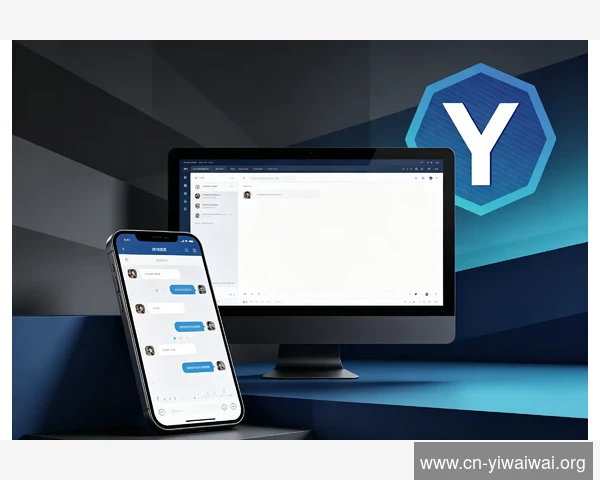 At the same time, the network provides multiple preset style templates that users can apply directly, and then fine-tune, on the basis of their own industry attributes. This smooth transition path, which is tailored from zero base to step level, is one of the important reasons why the self-defined CSS function is well received.
Custom CSS styles not only serve as displays for the traips in the table, but also synchronize with the client side display in the chat window. By rationally setting the color, font style and paragraph spacing of the message bubble, the enterprise is able to extend the brand-based visual recognition system in its entirety to every detail of online communication. When clients communicate with the seat, they see not just cold text piles, but well-designed interfaces with brand temperature and professional quality. This upward experience has an unnegligible positive effect on the overall image of the business.
The introduction of this function by the official network also takes full account of the issue of the harmonization of styles in teamwork. The administrator can save the carefully adjusted CSS style as a team-shared template, and all sitting members will automatically load the style configuration when they log in. This mechanism has effectively avoided the confusion that may arise from differences in personal preferences, while also reducing significantly the cost of training for new staff. New team members need not start from scratch to search for the layout, but simply follow the styles that are in place in the team to be integrated into a standardized operating process in a very short time.
In addition to basic colour and font adjustments, custom CSS allows for precision control of the spacing and white in the user dialogue display. In a more informative guest-situ scenario, appropriate line heights and segment spacing can effectively reduce reading pressures and allow seating to maintain a high concentration of attention over long periods of work. By setting appropriate paddy and margin values, the boundaries between each of the words become more distinct and the logical attribution is more visible. This visual grinding at the micro level is precisely the invisible driver of overall productivity.
The obtrusive displays also fit the screen terminals of different sizes, with the media query features of CSS. Whether on traditional wide screen monitors or on portable notebooks or tablets, the narrative content automatically adjusts the layout and the font to the size of the mouth. The introduction of this responsive design ensures that the experience of use in mobile office settings is equally fluid. The seating staff will still be able to obtain high-resolution performance consistent with the office environment when they are out or working remotely, without dyslexia resulting from equipment differences.
In practice, many teams have applied visual classification through the self-defined CSS response to frequently asked questions. For example, the first-level response uses the usual dark font, the second-level supplement describes the use of grey italics, while the statement with the risk hint is uniform in a yellow background and a black-and-bold combination. This clear visual hierarchy allows the seat to understand the clear flow of information in communicating with clients, both to ensure the completeness of the response and to avoid the ambiguity of focus caused by information piles. Clients experience a coherent and professional approach to such a dialogue, which undoubtedly adds much to the communication effect.
The support of the official network for the self-defined CSS function is not only reflected in the functional opening, but also in the detailed document description and frequently asked questions. Official documents are systematically combed from the basic use of the selectr to the determination of the priority rules and the compatibility statement of the properties. The availability of such information has significantly reduced the cost of error in the learning and exploration process. Whether it is to achieve a simple change in colour or to construct a complete word-and-sight system, the user can achieve the goal in a smooth manner, guided by the official document.
From a more macro perspective, the open definition of CSS styles represents an important evolution of the design concept of the tool software - the return of control over more performance layers to users. Each team has its own unique communication style and business processes, and standardized interfaces often do not fully match all scenes. By providing bottom-up style customization, the ease of traverse shows a shift from a single functional presentation to an information vehicle with efficiency and aesthetics. The improvement of daily experience is real, and the creativity it unleashes is being translated into real business value by a growing number of users.